
Status Pesan muncul di sini

Diving Scuba Bali

Deep Experience

Premium Underwater Experience

Diving Scuba Bali

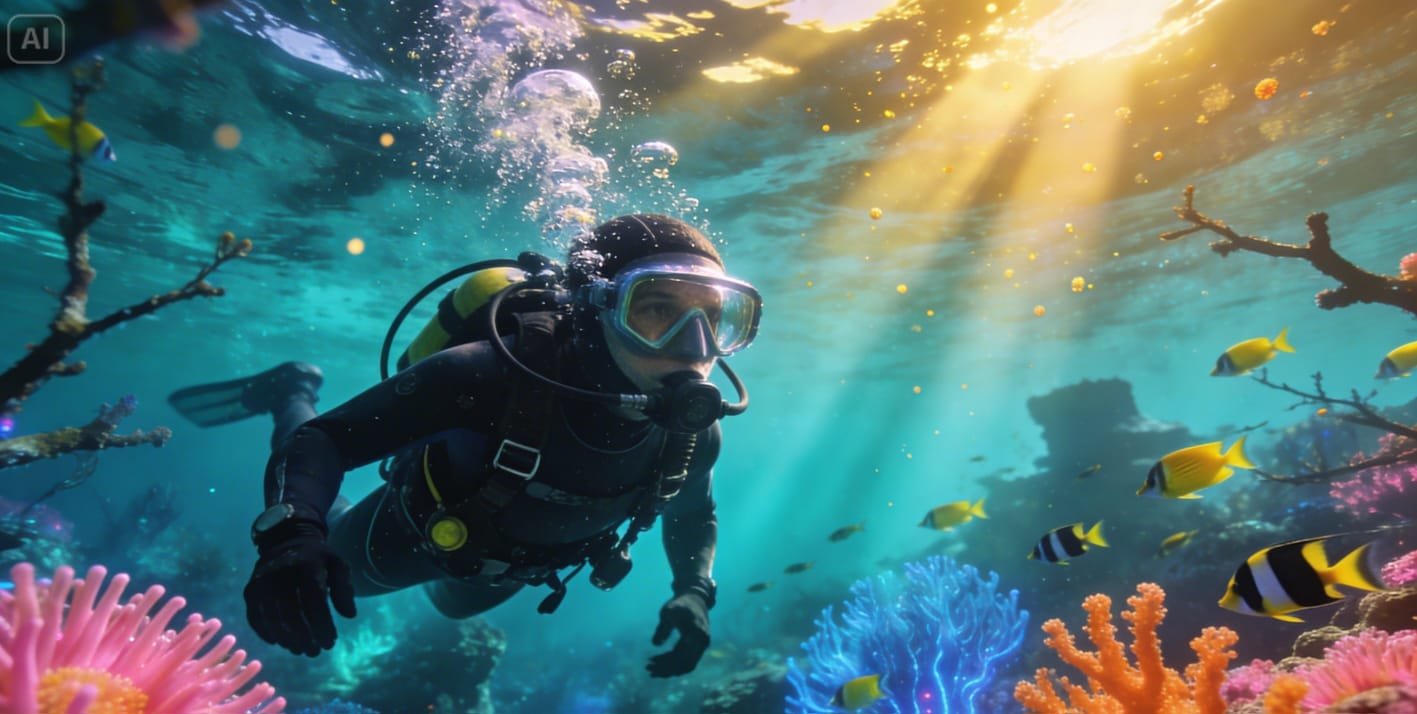
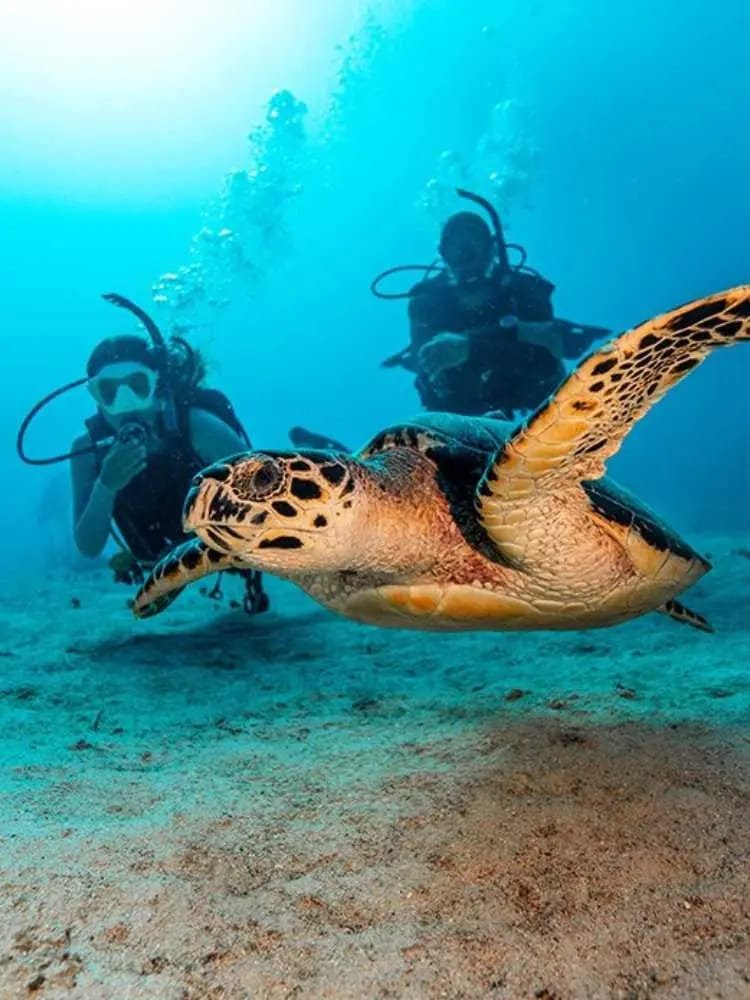
Based in the heart of Denpasar, DivingScuba Bali is your premier gateway to the island's most iconic underwater wonders. We offer professional guided diving across all of Bali and world-class PADI certification courses for every skill level. Discover the deep with a team committed to safety, excellence, and unforgettable marine encounters.
Diving Experience
Deep Sea Adventure
Marine Life
Our Diving Story

Why Diving Scuba Bali

At Diving Scuba Bali, our utmost commitment lies in upholding the highest standards and safety protocols during dive excursions and PADI courses in Bali. Both our dive center and day boat, are furnished with latest marine and diver safety equipment, as well as modern PADI multimedia teaching facilities. Rest assured, safety takes precedence above all else for guests at Diving Scuba Bali.
Dive Destinations

Dive Packages

View All Package →
Amed
IDR 2,400,000
Top Rated Dive

Amed

Amed is a diver’s playground that boasts an array of diving opportunities suitable for all levels of experience. From shallow coral gardens to dramatic drop-offs and haunting shipwrecks, the region offers something for everyone. The warm waters, exceptional visibility, and diverse marine ecosystem contribute to an exceptional diving experience that consistently leaves divers in awe. Amed. Renowned for its breathtaking underwater landscapes, vibrant marine life, and unique dive sites, Amed has become a paradise for diving enthusiasts seeking unforgettable underwater experiences. Amed Day Trip Diving: Highlights Diving Type: Deep Dive, Wall Dive, Wreck Dive Visibility: The visibility in Amed can vary, but generally, it’s pretty good, ranging from 10 – 20 Meters, especially during the dry season (April to October).. Amed’s underwater landscape offers various depths of 5 – 10 Meters which is suitable for all certification levels and 20 to 40 meters (66 to 131 feet) or even more for those seeking a deeper plunge. These deeper sites provide opportunities to explore the artificial pyramids in their entirety and to encounter larger marine species that inhabit the deeper waters. Water Temperature: Water temperatures are warm and range between 26-30°C (79-86°F). Most sites are known for its calm waters, making it an ideal location for training and learning to dive. Amed Dive Sites Information:Amed is renowned for its diverse and captivating dive sites offering various underwater experiences, from coral gardens to shipwrecks. Diving in Amed will give you a unique experience of diving with a traditional fisherman’s boat belonging to the locals. Although, some of the sites could also be reached by shore entry. Here are some of the popular dive sites you might encounter in Amed: Pyramids: The pyramid is an artificial reef made up of concrete structures designed to encourage the growth of coral and provide shelter for marine life. These structures are often covered in soft and hard corals, attracting abundant fishes and invertebrate species. Jemeluk Bay: This shallow bay combines a sandy bottom and rocky outcrops. It’s a perfect site for beginners and night dives. During night dives, you can witness nocturnal creatures like crabs, lobsters, and various types of shrimps. Amed Wall: This site features a sloping coral-covered wall that starts at a shallow depth and descends into the deeper waters. Divers can enjoy the vibrant coral formations, gorgonians, and sponges along the wall. The variety of corals provides a habitat for numerous small fish and critters, making it an excellent spot for macro photography. Bunutan: This site is known for its stunning coral formations and a mix of rocky and sandy areas. The dive can involve mild to moderate currents, making it more suitable for experienced divers. Bunutan often surprises divers with sightings of larger marine life like reef sharks and turtles. Japanese Shipwreck: This is one of Amed’s most famous dive sites. The wreck is that of a Japanese patrol boat from World War II, which lies on a sandy bottom at a relatively shallow depth. The wreck has become an artificial reef, attracting marine life, including schools of fish, lionfish, and moray eels. It’s an excellent spot for both beginner and advanced divers. Please note that the specific dive sites visited during the day trip may vary depending on factors like weather conditions, currents, and diver experience levels. Our dive guides will carefully select the sites to ensure the best possible diving experience, prioritizing safety and the opportunity for memorable encounters with marine life. Minimum Dives Required: Amed is a destination that caters to divers of all skill levels, making it an excellent choice for beginners and experienced divers alike. No minimum number of diving is required to dive in this area. It is a popular destination both for those who want to learn diving and for advanced divers who wish to explore the wreck in Amed and also for macro dives. If you’re not a certified diver, and wish to explore the underwater realm, consider taking a Discover Scuba Diving course. DSD is a beginner-level program that allows you to experience diving under the guidance of an instructor and can be used as a credit if you wish to continue take an Open Water Diving Course later on. How we run our Amed diving and snorkeling day trip: We will pick you up from your hotel at the appointed time and take you to our Dive Center in Sanur so you can try your dive equipment. Preferably, you visit our dive shop 1 day prior to your diving day to try your diving equipment. Amed is about 2-hours drive from Sanur. The bus will depart at 8:00 AM from our dive centre. Upon arrival, we will set up the dive equipment before the first dive sites. Divers and snorkelers will visit the same site each time. Our driver will take you back to your hotel at the end of your dive trip. Should you wish to fill your dive log with your dive guides, or if you rent an underwater camera and want to copy the pictures you took, you are welcome to stop at the dive centre before we take you to your hotels.

Available Daily
EXPLORE
Gili Mimpang & Gili Tepekong
IDR 2,700,000
Top Rated Dive

Gili Mimpang & Gili Tepekong

Candidasa’s underwater world is a haven for marine biodiversity. The coral reefs that line the coast are vibrant and teeming with life, showcasing a kaleidoscope of colors and shapes. These reefs shelter an array of marine species, from the smallest critters to larger pelagic creatures.Divers in Candidasa can encounter a fascinating array of marine life, including vibrant coral formations, schools of tropical fish, sea turtles, reef sharks, and even a popular pelagic like Mola-mola (Sunfish). The region’s underwater diversity ensures that every dive is a chance to witness something new and awe-inspiring. The two famous dive sites are Gili Mimpang and Gili Tepekong.Candidasa Diving Highlight:Diving Type: Deep Dive, Wall Dive, Drift DiveWater Temperature:Diving conditions around both sites are generally favourable, with varying currents and depths. Water temperatures are generally comfortable year-round, ranging from 24°C to 29°C (75°F to 84°F), making diving a pleasant experience regardless of the season.Visibility:The visibility in Gili Mimpang and Tepekong can vary, but generally ranges from 15 to 30 meters (50 to 100 feet), making it possible to enjoy clear views of the marine life and underwater landscapes.Candidasa Diving SiteDive Sites Information:Gili Mimpang and Tepekong, with their rich marine life, stunning coral formations, and challenging dive conditions, offer a glimpse into the remarkable underwater diversity that makes Bali a top diving destination. These sites not only showcase the beauty of the Coral Triangle but also provide a thrilling and unforgettable experience for those seeking to explore the ocean’s depths.Gili Tepekong: It’s located a short distance from Gili Mimpang. This dive site is famous for its dramatic wall dives, where divers descend along vertical drop-offs adorned with colourful corals and teeming with marine life. The currents around Tepekong can be strong, making it an ideal location for more experienced divers seeking an adrenaline-pumping adventure.As divers drift along the walls, they might spot graceful reef sharks cruising in the blue, as well as schools of jacks and barracudas. The overhangs and crevices in the walls often harbour moray eels and critters like scorpionfish and pygmy seahorses. Tepekong’s underwater cliffs are also known for their vibrant, soft corals, which create a stunning visual contrast against the deep blue ocean backdrop.Gili Mimpang: Known as “Bat’s Head” due to its distinct rock formations resembling a bat’s face, is a cluster of small islands off Bali’s southeastern coast. This dive site is known for its maze-like underwater topography, consisting of a series of pinnacles and channels that create a captivating labyrinth to explore.Divers can expect to spot schools of reef fish, including angelfish, surgeonfish, and triggerfish, as well as larger pelagic species Mola-mola (Sunfish) and eagle rays. The intricate terrain also serves as a habitat for critters like nudibranchs, shrimp, and octopuses, offering macro photographers a treasure trove of subjects to capture.Please note that the specific dive sites visited during the day trip may vary depending on factors like weather conditions, currents, and diver experience levels. Our dive guides will carefully select the sites to ensure the best possible diving experience, prioritizing safety and the opportunity for memorable encounters with marine life.How we run our Candidasa diving day trip:The trip will start with a bus drive around 1-hour from our dive center in Sanur. The bus will depart at 8:00 AM. We pick a local restaurant as our base to prepare the dive equipment and continue with boat riding for about 20 – 30 minutes to the dive site.Snacks and cold beverages are available on the boat during the surface interval.

Available Daily
EXPLORE
Nusa Penida
IDR 2,900,000
Top Rated Dive

Nusa Penida

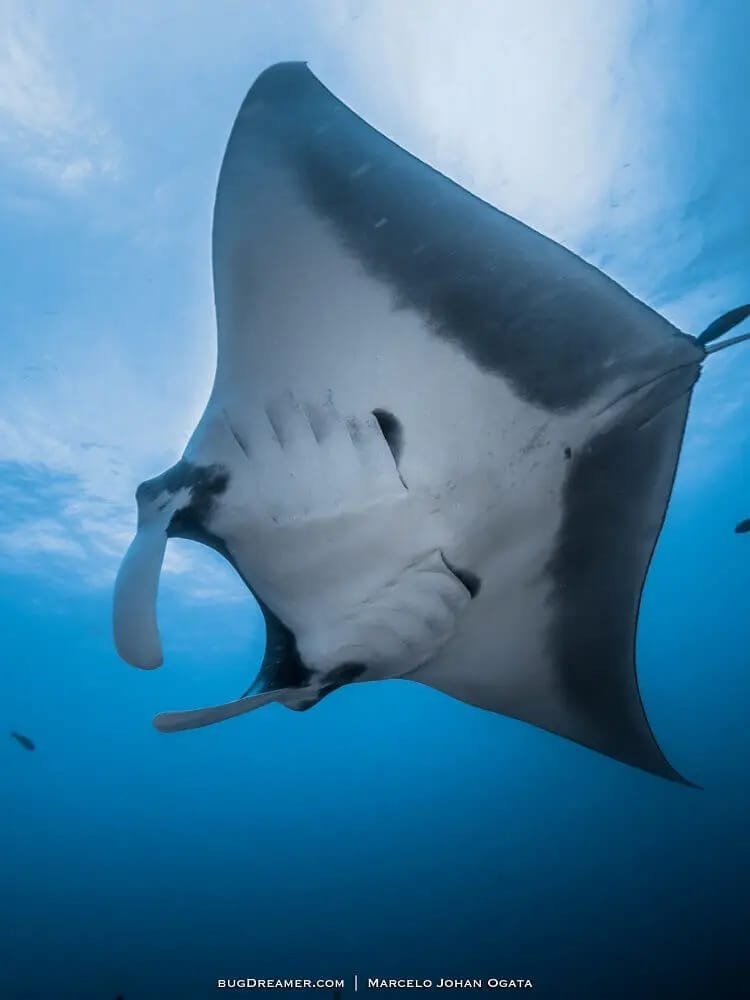
Nusa Penida is truly a paradise for diving enthusiasts. The crystal-clear waters and diverse marine life make it the perfect destination for anyone looking to experience the underwater world during your holiday in Bali. But what makes Nusa Penida truly special is the chance to dive with Manta Rays and Mola-mola, also known as the ocean sunfish.Nusa Penida is among the world’s top three best places to dive mola-mola. These gentle giants can grow up to 3 meters in length and weigh over 2,000 pounds. They are most commonly found in the waters around Bali between July and November, making Nusa Penida the perfect destination for anyone looking to witness these magnificent creatures up close.But mola-mola and manta rays are not the only thing Nusa Penida and its neighbour island, Nusa Lembongan, have to offer. The diverse dive sites showcase pelagic, stunning coral gardens, vibrant reef fish and even macro diving! The healthy coral gardens and bommies are shelters to an array of reef fish, such as angelfish, anthias, schooling bannerfish, and fusiliers.Nusa Peniday Diving Highlight:Diving Type: Deep Dive, Drift DiveWater Temperature:The water around Nusa Penida generally maintains a pleasant and inviting temperature. While it may vary slightly throughout the year, the average water temperature typically ranges from around 25°C to 28°C (77°F to 82°F).Between July – October the water can be cooler 18°C to 24°C (64°F to 82°F) as it is affected by the cold water from Australia. But the silver lining is, this is the best time to see mola-mola a.k.a. Sun Fish.Visibility:Nusa Penida is known for its excellent visibility, offering divers the opportunity to explore the underwater world with clarity and awe. On most days, the visibility is between 15-30 meters (50 to 100 feet) providing a stunning view of the diverse marine life and vibrant coral formations.Nusa Penida Diving SiteDive Sites Information:Nusa Penida boasts an impressive array of dive sites, each offering unique and captivating experiences. Some of the renowned dive sites around the island include:Crystal Bay:A popular site known for its crystal-clear waters and encounters with the elusive Mola Sunfish (commonly seen between June and October). Here you can spot an array of angelfish, butterfly fish, anthias, garden eels, tuna, sharks, surgeonfish, and schooling bannerfish near the edge of the drop off. Manta Point:Manta Point, located on the southwest of Nusa Penida, is a popular dive site for manta rays in Bali. Visitors can observe these majestic creatures up close whether snorkeling or diving, regardless of the season or weather. However, the site can experience changing tides and conditions due to its exposed location to the elements and open ocean. As a result, it’s also a great spot to encounter other pelagic species like reef sharks and larger fish.Toyapakeh:Toyapakeh is a village located on the North West Coast of Nusa Penida Island where fishermen boats anchor. Its underwater coral garden is shallow and beautiful, filled with colorful fish. The reef slopes down towards the Ceningan channel, where strong currents pass and provide nutrients that help keep the coral healthy and support a variety of marine life. Drift diving over the coral gardens is a thrilling experience, with plenty of anthias and other fish to admire.PED Temple Dive SiteLocated at the north coast of Nusa Penida, you’ll find a lengthy coral reef that’s perfect for drift diving and snorkeling. This particular reef is home to a variety of soft and staghorn corals, as well as barrel sponges. Additionally, you’ll come across a multitude of fish species, including batfish, moorish idols, lionfish, scorpionfish, pufferfish, moray eels, sweetlips, and Napoleon wrasse. There’s a considerable chance of spotting large pelagics like eagle rays, tuna, barracuda, reef sharks, and occasionally even Mola-Mola.Blue Corner:This thrilling drift dive site offers a chance to see sharks, turtles, and large pelagic fish. Divers can enjoy the rush of gliding along the reef with the currents.SD Point (Sekolah Dasar):Located on the north coast of Nusa Penida, offers great drift diving. Snorkelers and divers can explore the shallow reef and admire the beautiful coral gardens with various types of fish, including anthias and butterflyfish. The reef is also home to lionfish, trumpetfish, boxfish, and pufferfish.Mangrove Dive SiteThis drift dive site is located on the north coast of Nusa Lembongan Island, near Nusa Penida. The coral-filled shallows are home to a variety of colorful fish such as anthias, batfish, sweetlips, butterflyfish, and boxfish. Deeper down on the slope, there’s a chance to spot larger pelagic species like barracudas, dogtooth tuna, giant trevally, and eagle rays. During slack tide, when the current is low, this could be a macro lover haven. You can search for smaller creatures such as blue ribbon eels, mantis shrimp, lobster, porcelain crabs, orangutan crabs, and various nudibranchs.Please note that the specific dive sites visited during the day trip may vary depending on factors like weather conditions, currents, and diver experience levels. Our dive guides will carefully select the sites to ensure the best possible diving experience, prioritizing safety and the opportunity for memorable encounters with marine life.How we run our Nusa Peniday diving day trip:We will pick you up from your hotel at the appointed time and take you to our the Dive Center in Sanur so you can try your dive equipment. Preferably, you visit our dive shop 1 day prior to your diving day to try your diving equipment.Then we take you by car to Sanur Harbor to board our diving boat. After approximately 45 minutes, we reach Nusa Penida, where you can participate in either 2 or 3 dives. The dive sites selected will be based on daily circumstances, prioritizing safety and the chance of special encounters.To ensure proper rest and safety, a minimum of 50 minutes to 1-hour surface interval is mandatory between dives. The day is thoughtfully planned with 3 dives, and we aim to return to the dive center around 04:00 – 04:30 PM. Please note that if you book two dives, you have to return after the last dive; if there is any other diver(s) on the shared boat, book 3 dives.

Available Daily
EXPLORE
Tulamben USAT Liberty Wreck
IDR 2,400,000
Top Rated Dive

Tulamben USAT Liberty Wreck

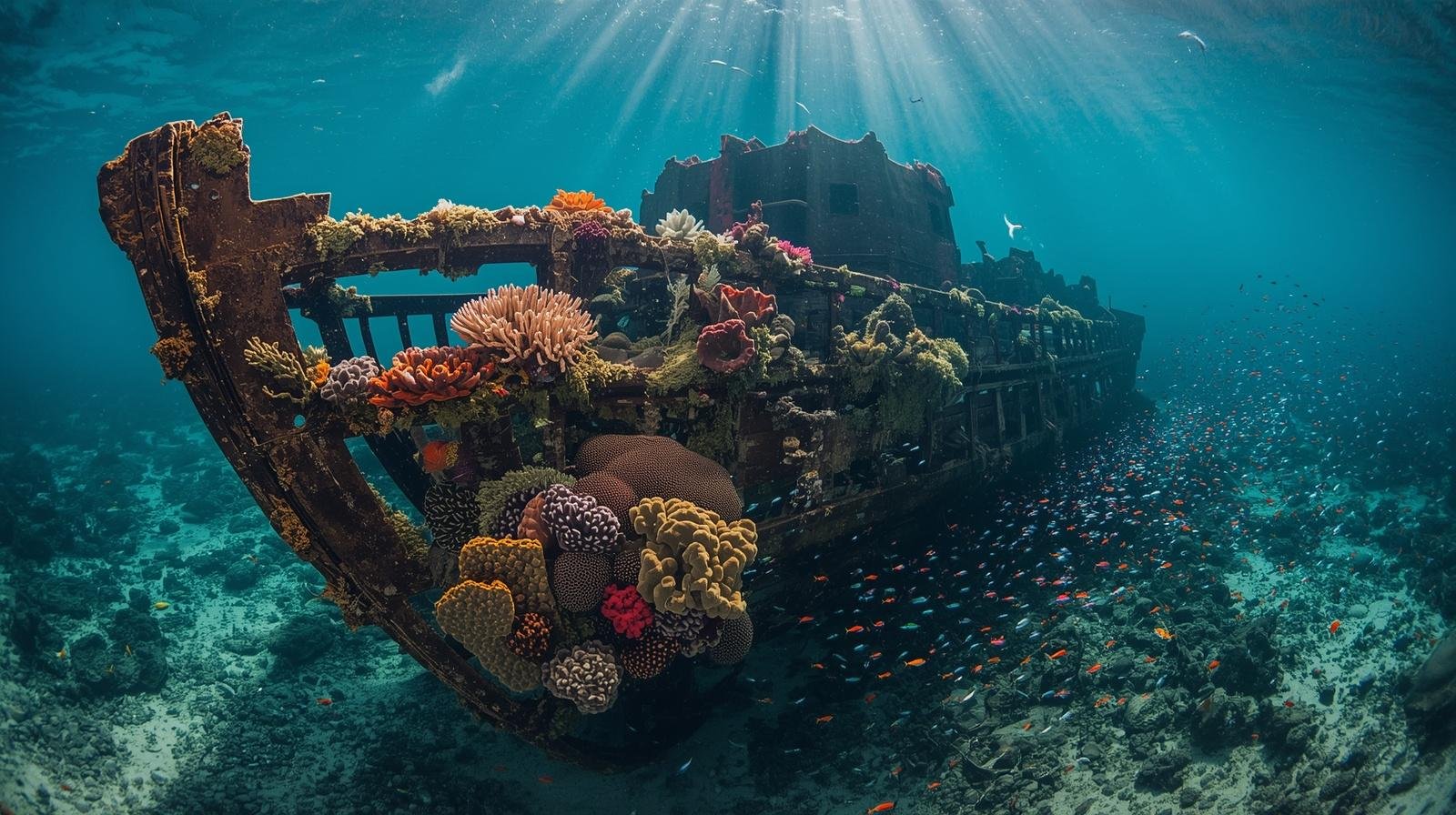
Welcome to the enchanting world of Tulamben diving, where captivating underwater landscapes, marine life and adventure await you. Located in Bali, Indonesia, Tulamben is the most popular dive site of the island and for good reasons. Its exceptional dive sites, impressive visibility, and moderate water temperatures.Another reason for its popularity is that it is a great diving destination that allows you to make a one-day diving trip. Tulamben offers a remarkable experience that will leave both seasoned and novice divers in awe of its beauty and diversity.Water Temperature:Throughout the year, the water temperature in Tulamben is between 26°C to 29°C (79°F to 84°F). We recommend divers use a 3mm wetsuit to dive in these sites comfortably.Visibility:One of the highlighted aspects of Tulamben diving is its exceptional visibility. It depends on the dive site, but generally, the waters boast clear visibility ranging from 10 to 30 meters (32to 100 feet). This clarity allows divers to witness the vibrant coral reefs, mesmerizing shipwrecks, and marine life in detail.The excellent visibility also makes it an ideal destination for underwater photography enthusiasts, capturing underwater scenery and marine life activiities with ease.Minimum Dives Required:Tulamben is a destination that caters to divers of all skill levels, making it an excellent choice for beginners and experienced divers alike. No minimum number of diving is required to dive in this area. It is a popular destination both for those who want to learn diving and for advanced divers who wish to explore the USAT Liberty Wreck, drop off, coral garden, and even for muck dives!!If you’re not a certified diver, and wish to explore the underwater realm, consider taking a Discover Scuba Diving course. DSD is a beginner-level program that allows you to experience diving under the guidance of an instructor and can be used as a credit if you wish to continue take an Open Water Diving Course later on.Tulamben Diving SiteTulamben boasts an array of captivating dive sites, each offering a unique and unforgettable experience. Here are some of the most popular dive sites you can explore:The USAT Liberty ShipwreckArguably one of the most famous dive sites in the world, the USAT Liberty Shipwreck is also listed among the world’s Top 10 wreck dive sites. It lies close to the shore, starting from 5 m depth and is accessible from the beach, which also makes it a perfect site for snorkelers to explore.The wreck stretches over 120 meters (394 feet) and is covered in an abundance of colourful corals, sponges, and sea fans. What was once a cargo ship for the American army during WWII is now home to an incredible diversity of marine life. As you explore the ship’s remains, you’ll encounter reef fish, parrotfish, and even occasional sightings of larger species like turtles and barracudas.Coral Garden:Coral Garden is a shallow dive site with vibrant coral formations, perfect for underwater photography enthusiasts. This site is teeming with a variety of macro marine life, such as nudibranchs, pygmy seahorses, and colourful shrimp. The relatively shallow depth around 5 to 15 meters (16 to 49 feet) makes it an excellent spot for all levels of divers to enjoy.There are some coral conservation has been established in this dive site; artificial reefs are beautified with miniature temples, stupas, and Buddha statues, and recently several fish statues added to the existing structures.Drop-Off Wall:The Drop Off features an attractive wall that can be a spectacular dive site, offering chances to spot reef sharks, schooling trevally, and barracudas under suitable conditions. For macro enthusiasts, there are opportunities to find pygmy sea-horses, leaf scorpion fish, and ghost pipefish hiding among the black coral bushes on the sea fans. The sandy shallow area near the shore is home to rare nudibranchs, shrimps, and various critters. Keep an eye out for the impressive sight of bumphead parrotfish grazing on the reef or around the wall. This site is suitable for both snorkelers and divers, as it boasts abundant marine life and diverse underwater scenery.Please note that the specific dive sites visited during the day trip may vary depending on factors like weather conditions, currents, and diver experience levels. Our dive guides will carefully select the sites to ensure the best possible diving experience, prioritizing safety and the opportunity for memorable encounters with marine life.How we run our Tulamben diving and snorkeling day trip:We will pick you up from your hotel at the appointed time and take you to our Dive Center in Sanur so you can try your dive equipment. Preferably, you visit our dive shop 1 day prior to your diving day to try your diving equipment. Tulamben is about 2-hours drive from Sanur. The bus will depart at 8:00 AM from our dive centre. Upon arrival, we will set up the dive equipment before the first dive sites. Divers and snorkelers will visit the same site each time. Our driver will take you back to your hotel at the end of your dive trip. Should you wish to fill your dive log with your dive guides, or if you rent an underwater camera and want to copy the pictures you took, you are welcome to stop at the dive centre before we take you to your hotels. 

Available Daily
EXPLORE
Padangbai
IDR 2,400,000
Top Rated Dive

Padangbai

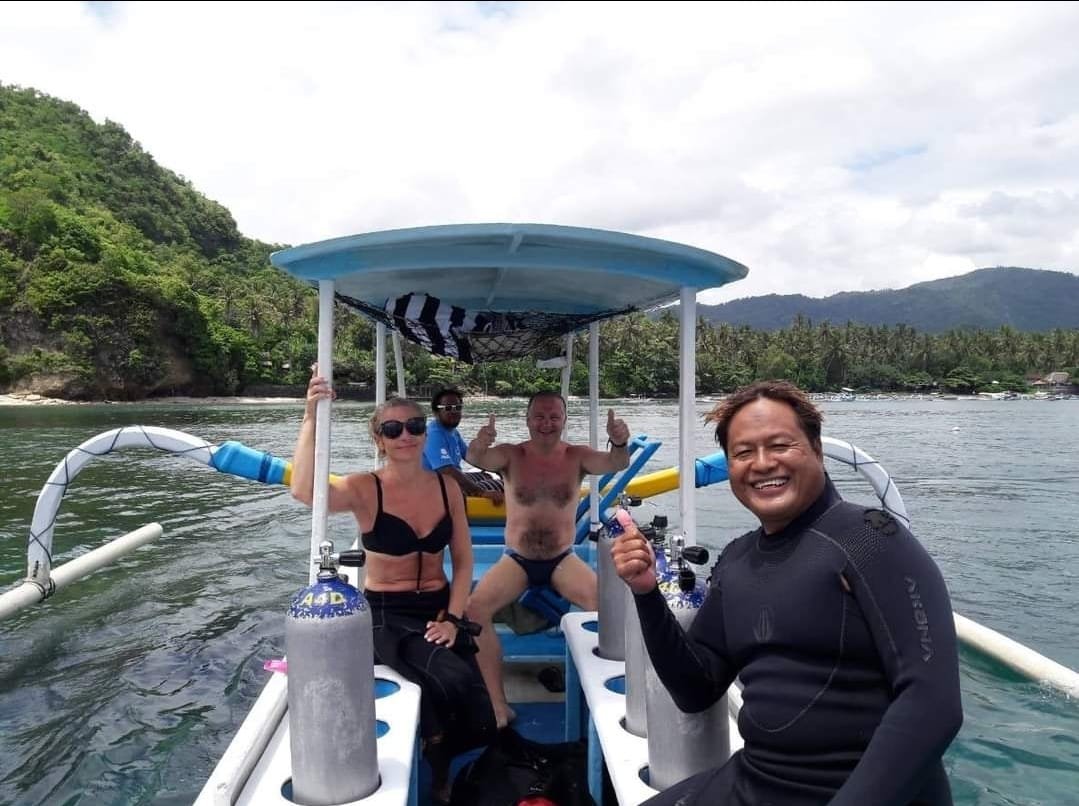
Padang Bai is a popular diving destination located on the eastern coast of Bali, Indonesia. It’s known for its diverse marine life, clear waters, and a range of dive sites suitable for all levels of divers.Padang Bai is home to diverse marine species, including various reef fish, colourful corals, nudibranchs, sea turtles, and larger creatures like sharks and rays. The nutrient-rich waters make it a haven for underwater photography and marine enthusiastsPadang Bai Diving Highlight:Diving Type: Deep dive, Macro Dive, Wall DiveWater Temperature:Most sites here have a generally calm water condition. However, like most dive sites in Bali, tides and currents influence the diving conditions in Padang Bai. Some dive sites can experience stronger currents, so divers need appropriate experience and training for specific sites like Jetty, Bias tugel and Tanjung Sari. From July to October the temperature could drop down to 20°C (68°F), but in general, the water temperature typically ranges from 26 to 30°C (79 to 86°F), making diving in a wetsuit comfortable.Visibility: The visibility in Padang Bai can vary, but generally ranges from 15 to 30 meters (50 to 100 feet), making it possible to enjoy clear views of the marine life and underwater landscapes.Best Time to Dive:The best time to dive in Padang Bai is during the dry season, which typically runs from April to November. During this period, the water is calmer and the visibility is generally better.No Minimum Dive required: If you’re not a certified diver, and wish to explore the underwater realm, consider taking a Discover Scuba Diving course. DSD is a beginner-level program that allows you to experience diving under the guidance of an instructor and can be used as a credit if you wish to continue take an Open Water Diving Course later on. Padang Bai Diving SiteDiving in Padang Bai will give you an exciting experience of how to start your dive from a traditional fishing boat called “Jukung”. It has been customised for diving purposes so you’ll have shades and some nets on the roof to keep your belongings safe and dry. The “Jukung” will take you to the dive sites:Blue Lagoon: Situated at the doorstep of the Blue Lagoon resort, this dive location offers an excellent experience suitable for divers of all skill levels. The underwater terrain features a sandy seabed starting at a depth of 3 meters and gradually descending to more than 40 meters. This sandy expanse serves as a prime habitat for a variety of intriguing marine creatures, including slumbering cuttlefish, leaf fish, common seahorses, and orangutan crabs, which can often be found nestled among the vibrant coral formations. Keep an eye out for cleaning stations where diligent shrimp may even attend to your needs. Explore the captivating mini-wall adorned with a profusion of differently colored feather stars and concealed nudibranch, adding to the allure of this remarkable dive site.Bias Tugel: Located in front of the beautiful white sand beach along the coast from Padang Bai, this wonderful coral garden full of staghorn corals will take your breath away. School of anthias, damsels and cromis buzz on top of the corals while out in the blue surgeonfish and fusilier gather. The white sand and crystal clear water provides the perfect conditions for both snorkeling and diving and with a bit of current make a fantastic drift. Whether its wide angle or macro you are looking for the reef slopes are full of a variety of life. Leaf scorpionfish, ribbon eels, trumpetfish, ghost pipefish, reef sharks, turtles, cleaning stations with shrimps, wrasses and schools of glassfish amongst some of the subjects you can find.epun: Jepun takes its name from the Frangipani tree (Jepun in Bahasa) surrounding the little temple on front of the dive site. It is perfect dive site for all level of divers with its gentle slopping bottom from shallows to max 40 metres. Visit the little wreck lying at 25 metres alongside the artificial reef which is already populated with resident frog fish, leaf fish, scorpion and lion fish. Get ready to encounter the submarine and pose for people taking your picture as they see you enjoying the underwater world first handTanjung Sari/The Channel:The Channel starts in the ferry channel on front of Padang Bay beach and ends around the corner of the bay in Tanjung Sari. This sandy slope is decorated with beautiful hard corals, barrel sponges and soft corals. There are several large Gorgonian seafans which are home to pygmy seahorses and always a good chance to encounter reef sharks, giant trevally, tuna or turtles.Turtle Neck Diving:This small white sand lagoon connected to the mini wall is for those who appreciate a combination of coral reef and muck diving. Healthy reefs full of a wide diversity of fish life set on sandy slopes with a rich variety of critters all in one dive site. You will find juvenile emperor angelfish, yellow boxfish, moray eels and schooling juvenile catfish alongside amazing critters such as; long snout dragonet, flying gurnard, devil scorpionfish, ghost pipefish and seahorses.Please note that the specific dive sites visited during the day trip may vary depending on factors like weather conditions, currents, and diver experience levels. Our dive guides will carefully select the sites to ensure the best possible diving experience, prioritizing safety and the opportunity for memorable encounters with marine life.How we run our Padang Bai diving and snorkeling day trip:We will pick you up from your hotel at the appointed time and take you to our Dive Center in Sanur so you can try your dive equipment. Preferably, you visit our dive shop 1 day prior to your diving day to try your diving equipment. Padang Bai is about 1-hour drive from Sanur. The bus will depart at 8:00 AM from our dive centre. Upon arrival, we will set up the dive equipment before we take Jukung (the traditional boat) for about 5 – 10 minutes to the first dive sites. Divers and snorkelers will visit the same site each time. Our driver will take you back to your hotel at the end of your dive trip. Should you wish to fill your dive log with your dive guides, or if you rent an underwater camera and want to copy the pictures you took, you are welcome to stop at the dive centre before we take you to your hotels. 

Available Daily
EXPLORE
The Elite Experience

PADI COURSES

EXPLORE NOW

PADI Discover Scuba Diving

HighlightsIf you want to try scuba diving but aren't ready to sign up for a scuba certification course, a Discover Scuba® Diving experience is the perfect way to test the waters. Try scuba diving for the first time in a pool or calm water environment. Learn basic scuba diving skills and take your first breaths underwater. Find out if you like scuba diving and decide if you want to become a certified diver.  What to expect Before you get in the water, you'll spend 20-30 minutes learning dive safety fundamentals. Study independently on a computer or mobile device with PADI eLearning®, or read the PADI® Discover Scuba Diving Participant Guide. Next, a PADI Divemaster or Instructor will provide scuba gear and explain how to use it. They will answer any questions you may have about scuba diving and scuba certification and help you practice basic scuba diving skills in a pool or calm water environment. Your Discover Scuba Diving experience will conclude with free time in the pool or a guided open water dive. Ready to dive in? Contact a PADI Dive Shop or PADI Professional to schedule a Discover Scuba Diving (DSD®) experience.

EXPLORE NOW

PADI Scuba Diver

HighlightsThe PADI Scuba Diver course is designed for aspiring divers with limited time, or anyone who wants to dive under the supervision of a PADI Professional – not independently with a buddy. PADI Scuba Divers are trained to dive under the direct supervision of a PADI Professional to a maximum depth of 12 meters/40 feet  What to expect PADI Scuba Divers have more knowledge and skills than Discover Scuba Diving participants but are not qualified to dive independently. The PADI Scuba Diver course is (roughly) the first half of the PADI Open Water Diver course. There are three phases: knowledge development, confined water skill practice and open water dives. During the knowledge development section, you'll learn scuba diving terminology, underwater hand signals, and other scuba diving fundamentals via PADI eLearning or classroom instruction. PADI eLearning gives you the flexibility to study at your convenience, online or offline using a computer or mobile device. After watching demonstrations of basic scuba skills, you'll practice them in a pool or calm water environment (confined water). Get comfortable wearing scuba equipment and master underwater maneuvers before you start diving in the ocean or other large body of water (open water). When you're ready, you'll make two open water dives where you'll perform the skills you learned and enjoy guided underwater exploration with your instructor. What's the difference between the PADI Scuba Diver course and the PADI Open Water Diver course? The Open Water Diver course takes 3 – 4 days to complete and includes a minimum of four open water dives. Certified Open Water Divers are qualified to dive independently with a buddy. The PADI Scuba Diver course is shorter (only 2 – 3 days) and includes just two open water dives. PADI Scuba Divers are trained to dive only under the direct supervision of a PADI Divemaster, Assistant Instructor or Instructor to a maximum depth of 12 meters/40 feet. Once you've successfully completed the PADI Scuba Diver course, you can upgrade to PADI Open Water Diver by completing the balance of the course. Ask your PADI Instructor for more information.

EXPLORE NOW

PADI Open Water Diver

HighlightsIf you’ve always wanted to take scuba diving lessons, experience unparalleled adventure and see the world beneath the waves, this is where it starts. Become a licensed Open Water Diver in just a few days, no prior experience required. Breathing underwater for the first time is something you'll never forget. Meet like-minded people who care about the ocean and see our ocean planet with new eyes.  What to expect The PADI Open Water Diver course consists of three main phases. Most people begin with home study, also known as knowledge development. In this phase, you'll learn about scuba equipment, hand signs and terminology, and watch videos of scuba diving skills. Knowledge development can be completed at your own pace – over a few weeks, or a matter of days. The most popular choice for knowledge development is PADI eLearning®, an independent study option where you read, watch videos, and take quizzes using your computer or mobile device. Study online or offline at your convenience. Next, you'll practice scuba skills in a pool or calm water environment (confined water). During these training sessions, you’ll get comfortable wearing scuba gear and learn essential skills such as how to clear water from your mask, do a pre-dive safety check, and make ascents and descents. When you're ready, you'll make your first dive in open water (the ocean or other large body of water). The Open Water Diver course includes four dives. During each one, you'll perform a few skills followed by a guided dive with your instructor. After completing your four training dives, you'll be a certified PADI Open Water Diver for life! Use your certification card anywhere in the world to book diving adventures, rent equipment and dive independently with a buddy to 18 meters/60 feet. If you spend a significant amount of time out of the water, you can quickly refresh your skills with the PADI ReActivate® program.

EXPLORE NOW

PADI Advanced Open Water Diver

HighlightsExperience new adventures and learn new skills with an instructor by your side. Designed for Open Water divers who want to improve their abilities. Make five dives with an instructor and practice something different on each dive (deep diving, navigation, buoyancy, photography, etc.). Gain experience and improve your scuba skills. Explore wreck dive  What to expect The Advanced Open Water Diver course is all about advancing your skills and gaining experience. There’s no exam and you'll spend the majority of your time diving, not studying. The course includes five Adventure Dives: deep diving, underwater navigation, and three other dives of your choosing (see list below). You'll start by reading a chapter in the Advanced Open Water Diver manual or via the PADI eLearning® course Advanced Open Water Diver Online. After answering some questions about what you've read, you may practice skills in a calm water environment with your instructor, or you may dive straight into open water. For every Adventure Dive you complete, you may earn credit toward PADI® specialty certifications. The following Adventure Dives are available to scuba divers 10 years old and older: Altitude Diver AWARE-Fish Identification Boat Diver Digital Underwater Photography Dry Suit Diver Peak Performance Buoyancy Underwater Naturalist Underwater Navigator Scuba divers 12 years old and older may choose from these additional Adventure Dives: Deep Diver Diver Propulsion Vehicle Drift Diver Multilevel Diver Night Diver Search and Recovery Diver Underwater Videography Wreck Diver

EXPLORE NOW

Emergency First Response

HighlightsEmergency First Response® primary and secondary care training teaches you what to do in the critical moments between when a life-threatening emergency occurs and when emergency medical services arrive. Emergency First Response® primary and secondary care training teaches you what to do in the critical moments between when a life-threatening emergency occurs and when emergency medical services arrive. Learn how to perform CPR, provide first aid that eases pain, assess a variety of injuries and illnesses and practice bandaging and splinting.  What to expect The Emergency First Response® Primary Care (CPR) and Secondary Care (First Aid) course combines flexible self-study and in-person training. Through the first phase the course will teach participants how to respond and provide care when faced with life-threatening emergencies. Practice a skill until you feel confident before moving on to the next one. Learn eight essential skills for helping others in an emergency. Get hands-on experience administering CPR using a special manikin, practice bandaging and splinting, and apply your new skills in a role-playing scenario.

EXPLORE NOW

PADI Rescue Diver

HighlightsImprove your confidence and become a better dive buddy through fun-role playing and skill practice. The PADI® Rescue Diver course will change the way you dive – in the best possible way. Learn to identify and fix minor issues before they become big problems, gain a lot of confidence and have serious fun along the way. Discover why countless divers say Rescue Diver is their favorite scuba course.  What to expect Learn how to think like a rescue diver through skill practice with an instructor. You'll start your first phase and practice basic rescue skills and then show you can effectively apply them in open water. The water training sessions are serious fun. You'll practice handling scenarios such as a leg cramp and assisting a tired diver by role-playing with other students and your instructor.

Dive Journals

Insights & Stories

Bali Safe for First Time Scuba Diving
4 Mar 2026
Diving Tips

Bali Safe for First Time Scuba Diving

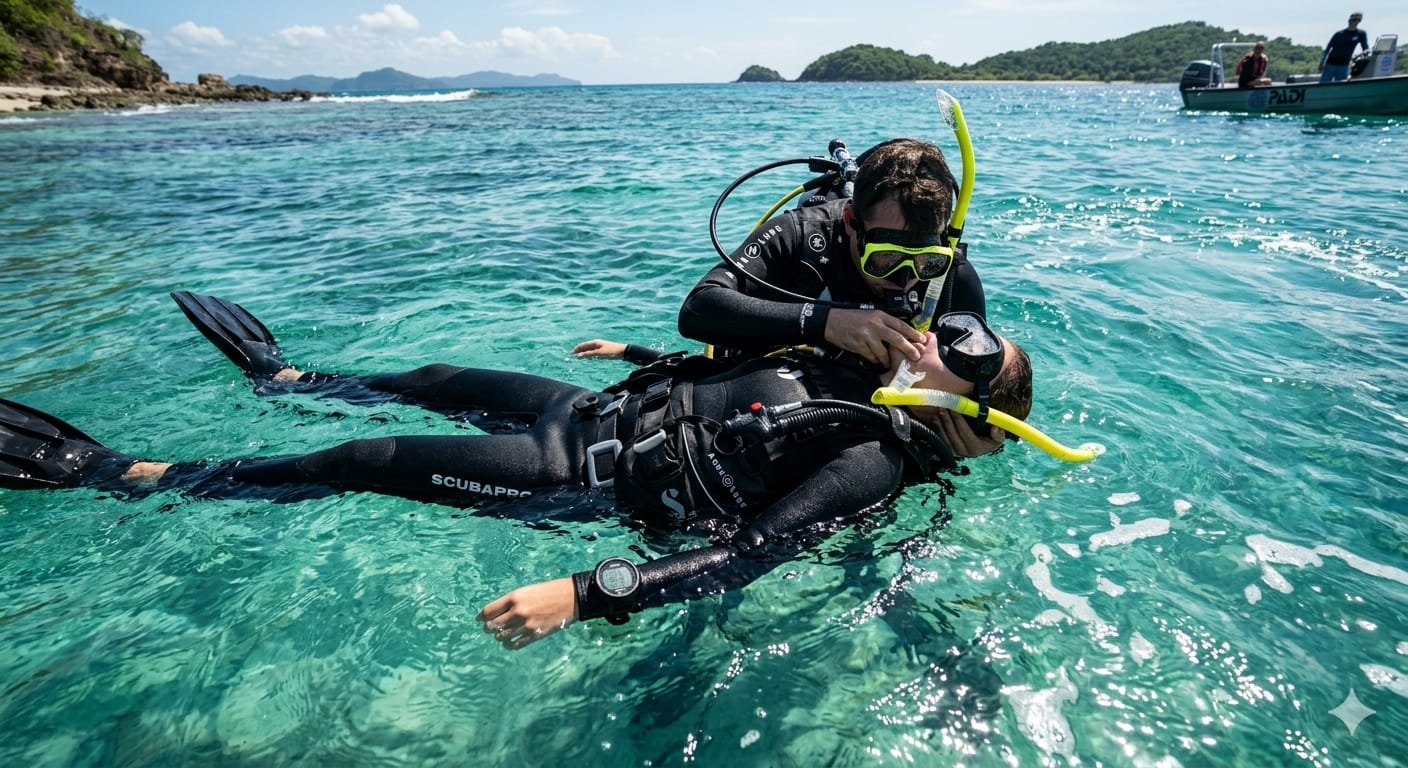
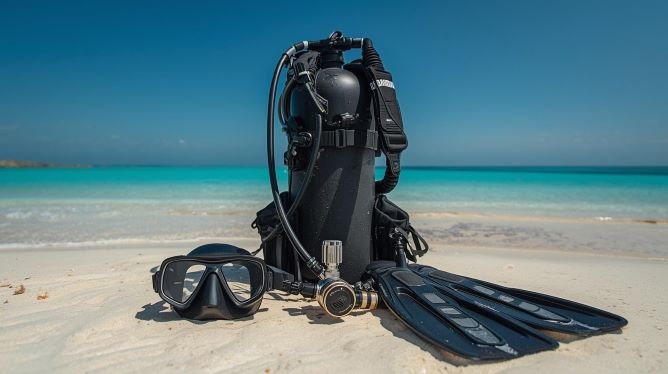
Is Bali Safe for First-Time Scuba Divers?Yes. Bali is widely considered a safe destination for beginner scuba divers. The island has a strong dive community, established standards, and many reputable dive centres. For new divers, safety begins with choosing the right operator and making sure you’re matched to the correct site for your level.Bali’s conditions change depending on the region, tides, and seasons. Beginners will find areas like East Bali and North Bali calmer, while regions like Nusa Penida require more experience due to stronger currents. With the right guidance, first-time divers can enjoy their Bali diving experience with confidence.Key reasons Bali is safe for beginners: Warm water temperatures between 26–29°C Clear visibility ranging 10–30 metres Gentle, sloping reefs in several beginner-friendly areas Highly trained divemasters and instructors Clear safety protocols and pre-dive briefings Understanding your limits and communicating openly with your instructor is essential for a secure and comfortable dive.Essential Scuba Diving Safety Tips for BeginnersWhen you’re new to diving, safety comes down to awareness, preparation, and staying within your comfort zone. Here are the most important scuba diving safety tips every beginner should follow in Bali.Check Your Equipment ProperlyBefore entering the water, take time to understand your gear. A good instructor will walk you through each piece, but it’s important that you personally check: Mask fit and seal Regulator breathing smoothly BCD inflating and deflating correctly Tank pressure and mounting Fins fitting securely Even if a professional prepares your equipment, your own double-check is part of being a responsible diver.Equalise Early and OftenBeginner divers often experience discomfort if they descend too quickly without equalising their ears. Equalise before you feel pressure and continue doing it throughout your descent. This protects your ears and helps you stay relaxed and in control.Stay Close to Your InstructorAs a first-time scuba diving student, one of the most important rules is to stay within arm’s reach of your instructor or buddy. They will monitor your buoyancy, air, and comfort level. Never drift away, even if something catches your eye. Staying together ensures support is always right beside you.Monitor Your Air FrequentlyAir awareness is essential. Check your gauge every few minutes and notify your instructor when you reach predetermined markers, such as 100 bar or 70 bar. Consistent monitoring prevents rushed ascents and helps keep the dive safe and enjoyable.Understand Bali’s CurrentsCurrents are a natural part of Bali diving. In beginner areas, they are mild, but conditions can change quickly. Always listen closely to your briefing and ask questions if something is unclear. If currents pick up, your instructor will adjust the dive plan. Good communication brings confidence.Move Slowly and Stay RelaxedFirst-time divers sometimes rush or use their hands too much. Slow, steady fin kicks and calm breathing are the foundations of good diving. Moving gracefully reduces air consumption and helps you enjoy the marine life without disturbing it.Dive Within Your Limits Never feel pressured to go deeper or stay longer than you feel comfortable. Whether it’s your first dive or your ninety-ninth, your limits matter. Bali has beautiful underwater scenery at every depth and with different conditions, so there is no need to push yourself if the conditions don’t suit you. Let your instructor know if you need more time or want to adjust the dive, or abort it totally.
Artificial Reefs: How They Support Marine Life
4 Mar 2026
Diving Tips

Artificial Reefs: How They Support Marine Life

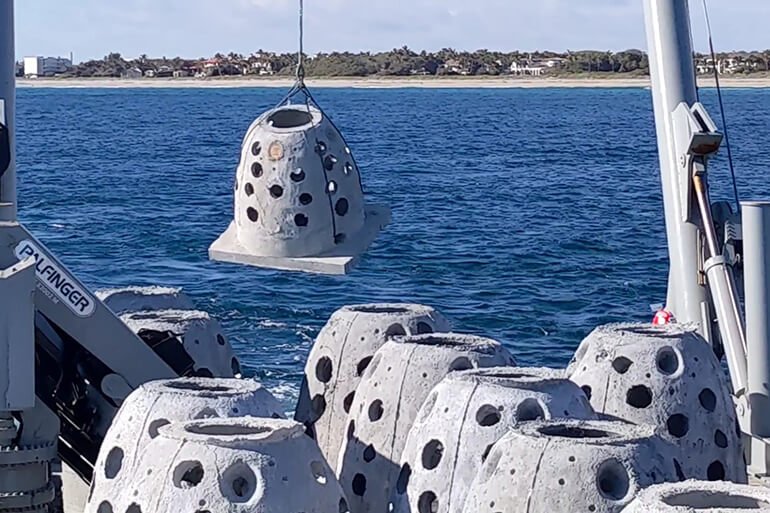
Artificial reefs play an increasingly important role in supporting marine ecosystems as natural coral reefs face growing environmental pressure. These human-made structures are placed on the seafloor to create new habitats where marine organisms can live, grow, and thrive. Built from materials such as concrete, steel, or decommissioned ships, artificial reefs help restore balance in areas where natural habitats have declined. Creating New Habitats in the Ocean Natural coral reefs around the world are threatened by climate change, pollution, and human activities. Because of this, artificial reefs provide alternative habitats that help marine species survive and adapt.Once installed, artificial reefs quickly attract marine life. Fish, crustaceans, and other organisms use the structures as shelter from predators and strong currents. Over time, these habitats increase biodiversity by supporting a wide variety of species within a concentrated area. How Artificial Reefs Develop into Ecosystems Artificial reefs develop gradually through natural ecological processes rather than becoming ecosystems instantly.At first, small fish and invertebrates gather around the structure for protection. Soon after, algae and microorganisms begin growing on the surfaces. As conditions stabilise, corals, sponges, and other reef-building organisms attach themselves and expand.Eventually, artificial reefs transform into complex ecosystems. These communities provide food sources, breeding grounds, and shelter, allowing marine populations to grow naturally. Supporting Fisheries and Sustainable Tourism Artificial reefs also support local fisheries by increasing fish populations in targeted areas. When managed responsibly, this can contribute to more sustainable fishing practices.Additionally, artificial reefs attract divers and snorkellers who want to explore unique underwater environments. This reduces pressure on fragile natural reefs while still allowing people to experience marine biodiversity responsibly. For coastal communities, this creates both ecological and economic benefits. Challenges and Responsible Reef Design Despite their benefits, artificial reefs must be carefully designed and managed. The materials used need to be non-toxic, durable, and environmentally safe. Poor planning can harm marine habitats instead of helping them.Proper placement is essential so artificial reefs complement existing ecosystems rather than disrupt natural reefs. Regular monitoring ensures the structures function as intended, and maintenance may be required to remove debris or prevent damage. A Valuable Tool for Ocean Conservation Artificial reefs demonstrate how thoughtful human intervention can positively support marine environments. By creating habitats, encouraging biodiversity, and supporting sustainable tourism and fisheries, artificial reefs strengthen ocean ecosystems. Although they cannot replace natural reefs, artificial reefs remain valuable tools in marine conservation, providing marine life with new spaces to grow while helping protect the oceans for future generations.

Diving with normal air and nitrox?
2 Mar 2026
Diving Tips

Diving with normal air and nitrox?

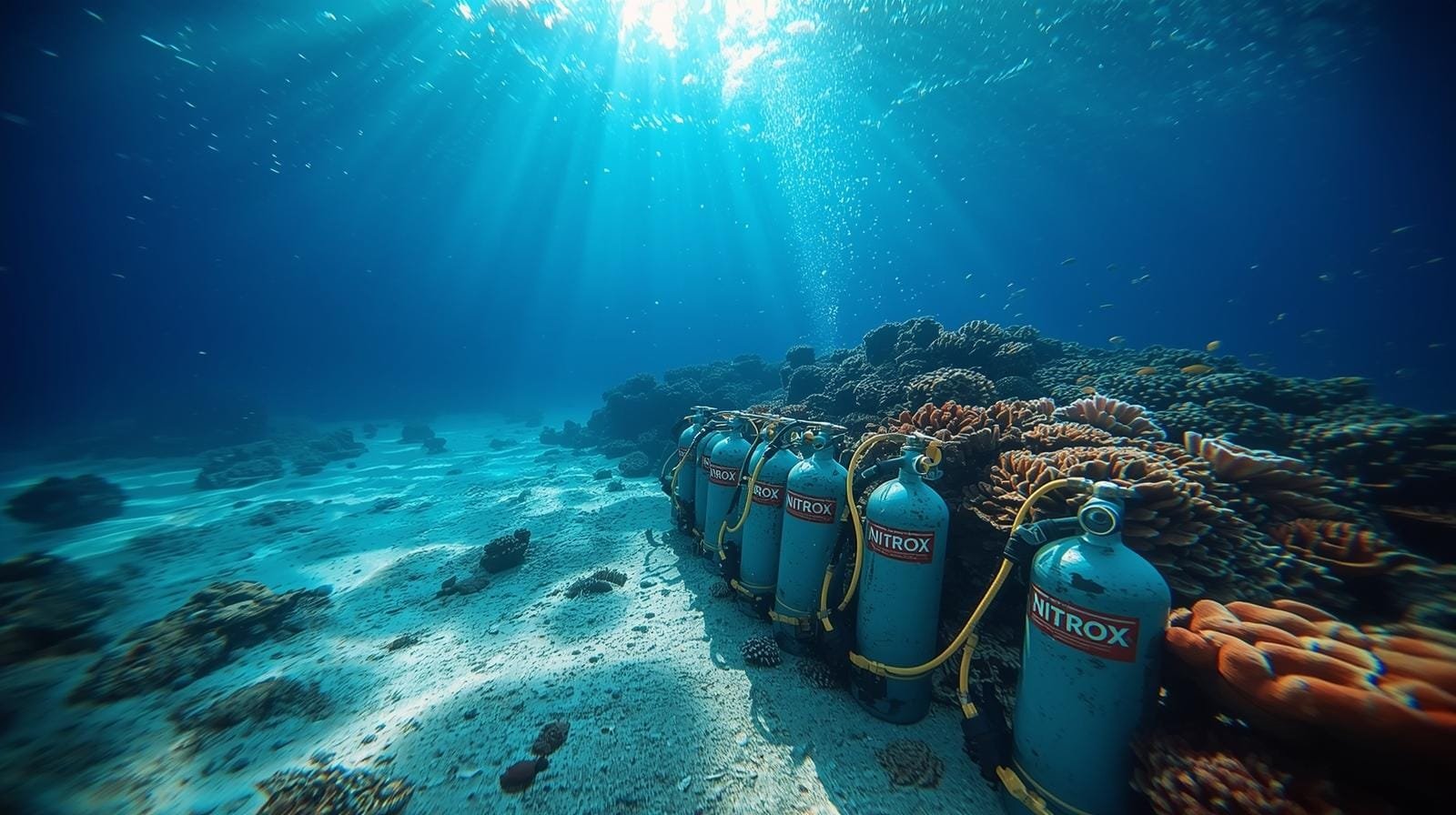
Scuba diving offers a unique opportunity to explore the wonders of the underwater world, but the choice of breathing gas can significantly impact the diving experience. Two common options for recreational divers are diving with Nitrox (Enriched Air Nitrox or EANx) and diving with normal air (compressed air). Let’s explore the differences between the two:Nitrogen content: Normal air, typically used for recreational diving, contains approximately 21% oxygen and 79% nitrogen. Nitrox, on the other hand, contains a higher percentage of oxygen, usually between 30% and 40%, with the remainder being nitrogen.Reduced Nitrogen Absorption: Diving with Nitrox minimizes the amount of nitrogen absorbed by the body compared to breathing air. This results in shorter surface intervals and reduced risk of decompression sickness, making nitrox a safer option for repetitive dives or dives with extended bottom times.Extended bottom time: Because of the reduced nitrogen content, divers using Nitrox can stay at depth for longer periods of time without increasing the risk of nitrogen narcosis or decompression sickness. This allows for more exploration time during dives and enhances the diving experience.Cost Consideration: While diving with nitrox offers several benefits, it typically comes at an additional cost compared to using air. Nitrox certification and special equipment to mix and analyze the gas can be an additional expense for divers.Training Requirements: Diving with Nitrox requires specialized training to understand the differences in gas mixtures and their effects on the body. Divers must complete Nitrox certification courses to learn the proper use, handling and safety protocols associated with Nitrox diving. In conclusion, both diving with Nitrox and diving with air have their advantages and disadvantages. Nitrox offers advantages such as reduced nitrogen absorption, extended bottom time, and increased safety margins, but it also comes with additional costs and training requirements. Divers should carefully weigh these factors to choose the mix that best suits their diving goals and preferences. Become a certified Enriched Air Diver now!

Underwater Journey

Our Moments

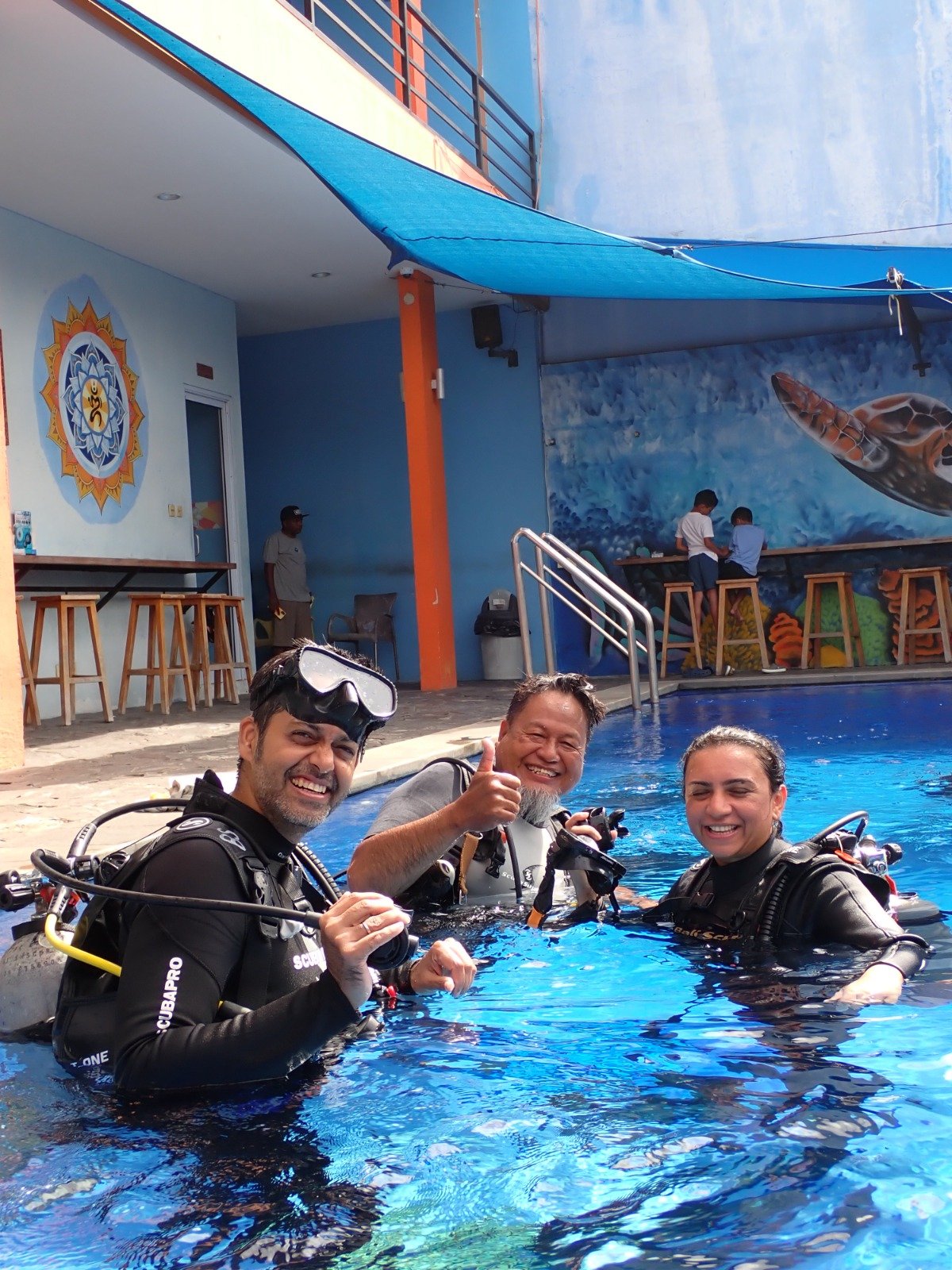
Having fun dive at Padangbay

Dive Site

Having fun dive at Padangbay

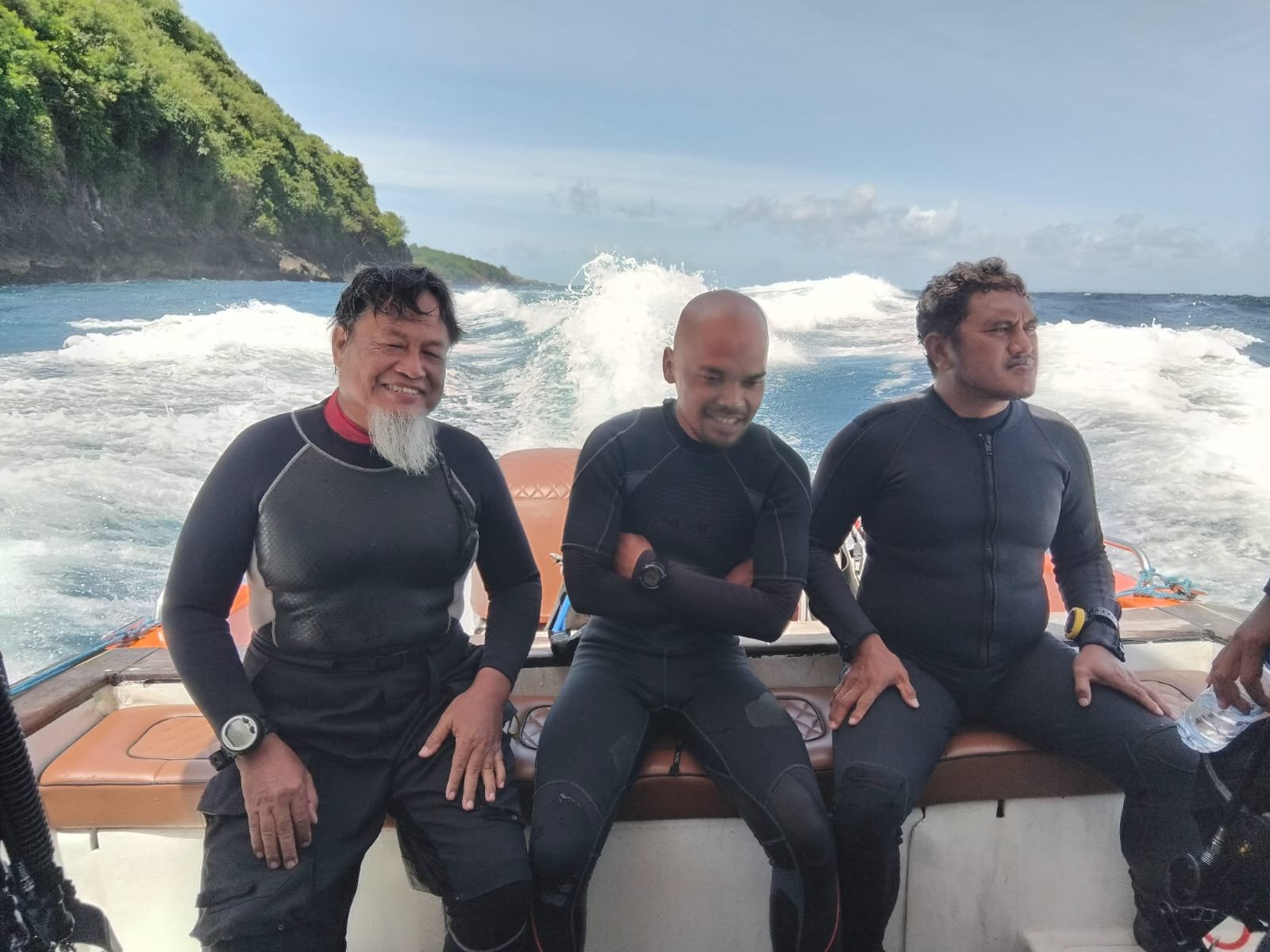
The Three Musketeers in Action

Dive Site

The Three Musketeers in Action

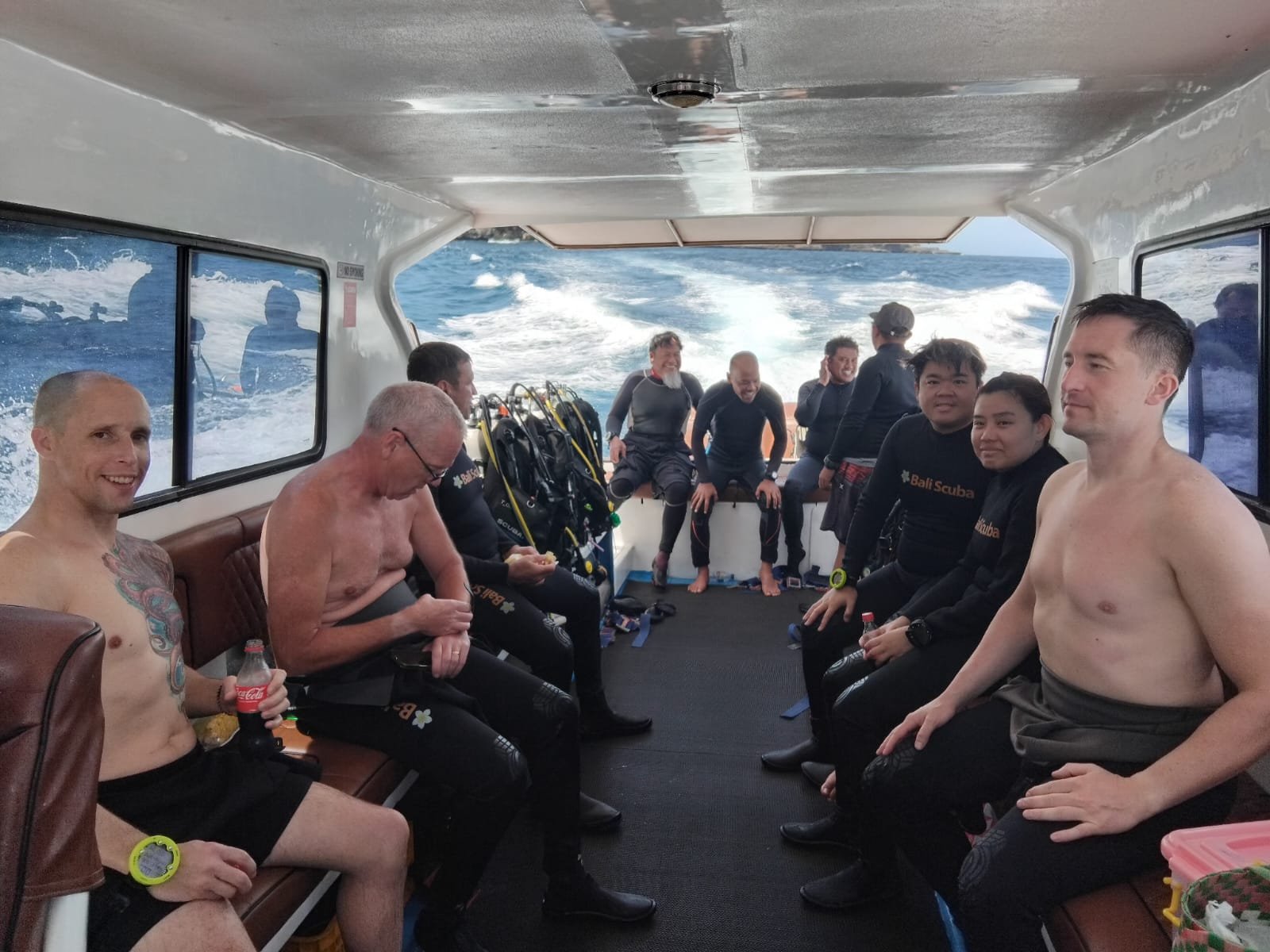
Groups diving trips 1

Dive Site

Groups diving trips 1

Having fun dive at Padangbay

Dive Site

Having fun dive at Padangbay

The Three Musketeers in Action

Dive Site

The Three Musketeers in Action

Groups diving trips 1

Dive Site

Groups diving trips 1

Underwater Cinematography

OUR SEA JOURNEY

Testimonials

Happy Divers