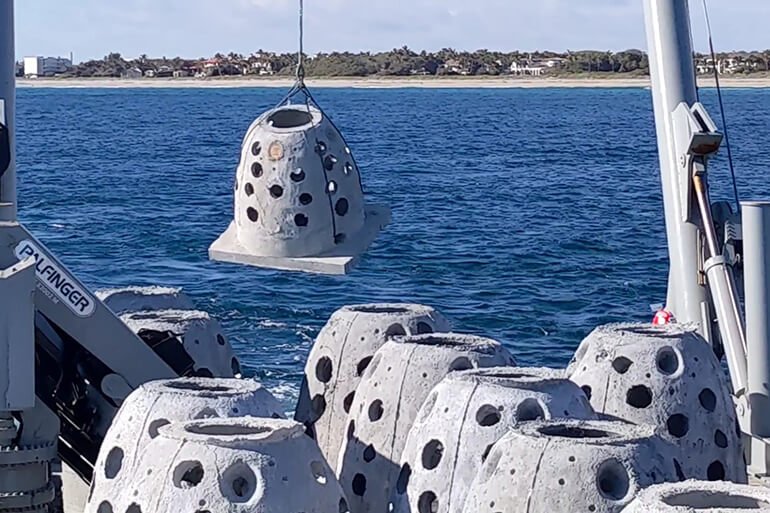
Artificial reefs play an increasingly important role in supporting marine ecosystems as natural coral reefs face growing environmental pressure. These human-made structures are placed on the seafloor to create new habitats where marine organisms can live, grow, and thrive. Built from materials such as concrete, steel, or decommissioned ships, artificial reefs help restore balance in areas where natural habitats have declined.
Creating New Habitats in the Ocean
Natural coral reefs around the world are threatened by climate change, pollution, and human activities. Because of this, artificial reefs provide alternative habitats that help marine species survive and adapt.
Once installed, artificial reefs quickly attract marine life. Fish, crustaceans, and other organisms use the structures as shelter from predators and strong currents. Over time, these habitats increase biodiversity by supporting a wide variety of species within a concentrated area.
How Artificial Reefs Develop into Ecosystems
Artificial reefs develop gradually through natural ecological processes rather than becoming ecosystems instantly.
At first, small fish and invertebrates gather around the structure for protection. Soon after, algae and microorganisms begin growing on the surfaces. As conditions stabilise, corals, sponges, and other reef-building organisms attach themselves and expand.
Eventually, artificial reefs transform into complex ecosystems. These communities provide food sources, breeding grounds, and shelter, allowing marine populations to grow naturally.
Supporting Fisheries and Sustainable Tourism
Artificial reefs also support local fisheries by increasing fish populations in targeted areas. When managed responsibly, this can contribute to more sustainable fishing practices.
Additionally, artificial reefs attract divers and snorkellers who want to explore unique underwater environments. This reduces pressure on fragile natural reefs while still allowing people to experience marine biodiversity responsibly. For coastal communities, this creates both ecological and economic benefits.
Challenges and Responsible Reef Design
Despite their benefits, artificial reefs must be carefully designed and managed. The materials used need to be non-toxic, durable, and environmentally safe. Poor planning can harm marine habitats instead of helping them.
Proper placement is essential so artificial reefs complement existing ecosystems rather than disrupt natural reefs. Regular monitoring ensures the structures function as intended, and maintenance may be required to remove debris or prevent damage.
A Valuable Tool for Ocean Conservation
Artificial reefs demonstrate how thoughtful human intervention can positively support marine environments. By creating habitats, encouraging biodiversity, and supporting sustainable tourism and fisheries, artificial reefs strengthen ocean ecosystems.
Although they cannot replace natural reefs, artificial reefs remain valuable tools in marine conservation, providing marine life with new spaces to grow while helping protect the oceans for future generations.